One of the most common questions North Americans ask before making the leap is simple. Can I actually own property here, or am I just renting long term from the government? The good news is that Costa Rica offers foreigners strong, secure property rights. This guide explains what you can own, the one big exception to watch, and how to buy safely.
Can foreigners really own property in Costa Rica?
Yes. Foreigners can buy and own property in Costa Rica with essentially the same rights as Costa Rican citizens. You do not need to be a resident or a citizen to purchase, and there is no special permission required for most transactions. You can hold clear, titled ownership, sell whenever you like, pass property to your heirs, and rent it out.
This legal security is a big reason Costa Rica has attracted so many expat homeowners. The key is buying the right kind of property and following the proper process, which we cover below.
What is titled, or fee simple, property?
Most property in Costa Rica is titled, often described as fee simple ownership, and recorded in the National Registry, known as the Registro Nacional. This is the gold standard. Titled property gives you full ownership rights, and the registry is a public record you can check to confirm who owns a parcel, its boundaries, size, and any liens or mortgages.
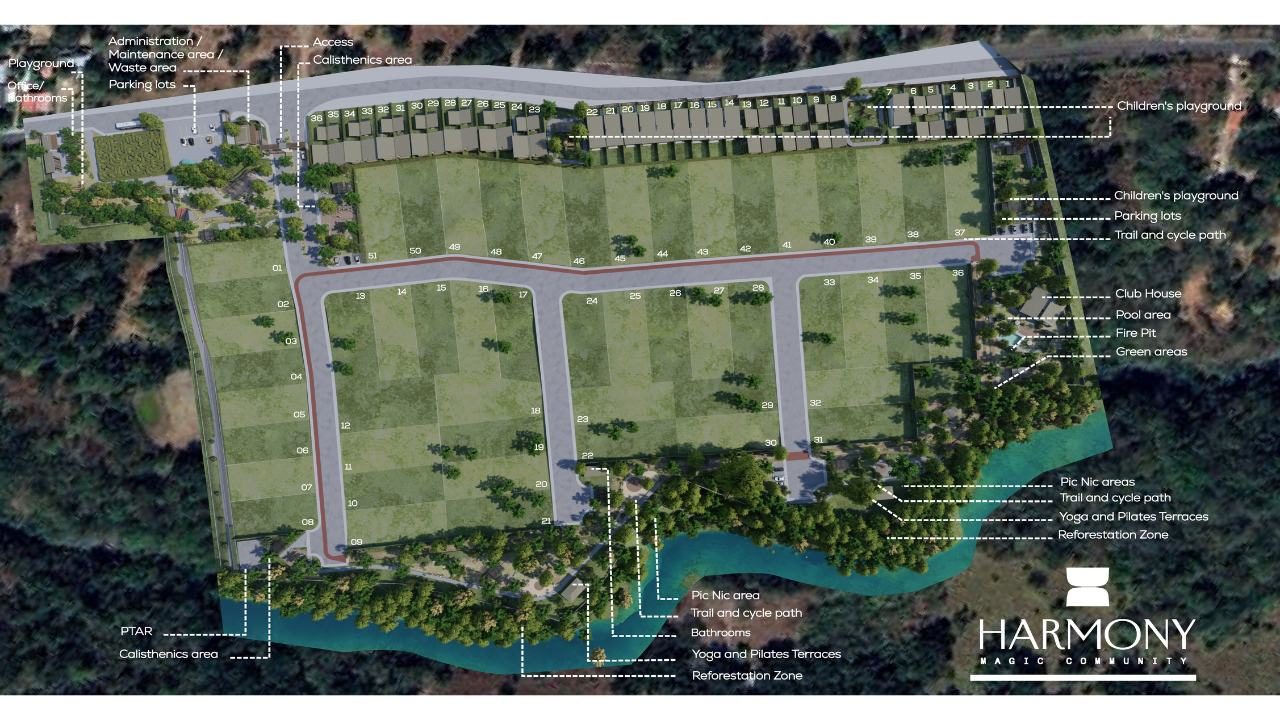
When you buy titled land, your attorney verifies the title in the registry, confirms it is free of encumbrances, and records the transfer so your ownership is official and protected. For most homebuyers, including those building in communities like Harmony Homes near Curubande, titled property is exactly what you want.
What is the maritime zone and why does it matter?
The main exception to standard ownership is the maritime terrestrial zone, a strip of land along the coast measured from the high tide line. The first portion closest to the water is public and cannot be owned by anyone. The next portion is typically held under a concession, which is more like a long term lease from the local municipality than outright ownership.
Concession rules can restrict how much foreigners may hold, and they come with their own requirements and renewals. Beachfront concession property is not the same as titled property, so it deserves extra scrutiny and expert legal advice. Many expats simply choose titled property a short distance inland to avoid the complexity entirely.

Should you buy in your name or through a corporation?
You can hold property personally or through a Costa Rican corporation, and both are common. A corporation can simplify certain things like adding multiple owners, estate planning, and transferring the property later. It also carries annual obligations and costs. Personal ownership is simpler for a single home.
There is no one right answer. The best choice depends on your goals, your tax situation in both countries, and your estate plans. Discuss it with a Costa Rican attorney and, ideally, an accountant who understands US or Canadian tax rules.
How does the buying process work?
The process is orderly when you use the right professionals. In broad terms:
- You agree on price and sign a purchase agreement, often with a deposit into escrow
- Your attorney performs due diligence, verifying title in the National Registry and checking for liens, taxes owed, and boundaries
- Funds are held by a neutral escrow service, not paid directly to the seller
- A notary public, who in Costa Rica is a specialized attorney, prepares the transfer deed and records it in the registry
Using an independent, licensed attorney who represents you, not the seller, and a reputable escrow company protects your money and your title.
What common mistakes should you avoid?
The biggest risks come from skipping steps. Do not buy without verifying title in the National Registry, and be cautious with untitled or concession land unless you fully understand it. Avoid handing money directly to a seller instead of using escrow, and never rely solely on the seller's attorney. Watch for unclear boundaries or squatter issues on rural land, which a proper survey and title search will reveal. Taking these precautions is what makes buying in Costa Rica as safe as it should be.