
Guanacaste is famous for its beaches, dry sunny climate, and laid back pace, but what does it actually cost to live here? The honest answer is that it depends on your lifestyle. You can live simply and spend far less than you would in the US, or recreate a fully imported American life and spend nearly as much. This breakdown walks through the real categories so you can build a budget that fits.
What does it really cost to live in Guanacaste?
For most North American couples, Guanacaste costs less than a comparable coastal lifestyle back home, especially when it comes to healthcare, fresh food, and services like housekeeping or gardening. Where it adds up is in housing in popular beach towns, imported groceries, air conditioning, and dining at tourist oriented restaurants. Your biggest cost drivers are how close you want to be to the beach, how much you rely on imported products, and whether you keep a car.
Keep in mind that prices shift with the seasons and the exchange rate, and beach towns like Tamarindo cost more than inland spots near Liberia or Curubande. Treat any figure as a range, not a fixed number.
How much is rent and housing?
Housing is usually the largest line in your budget. Rents range widely, from modest local style homes and apartments to fully appointed expat rentals with pools and ocean views. Towns with lots of tourism, such as Tamarindo and Nosara, sit at the higher end, while areas around Liberia, Playas del Coco, and the hills of Curubande tend to be more affordable.
Buying or building can be a smart long term move if you plan to stay, since it locks in your housing cost and lets you design for the climate. Many expats rent for six months to a year first, then buy or build once they know the area. You can explore build options and transparent pricing on our Build Your Home page.
What do groceries and eating out cost?
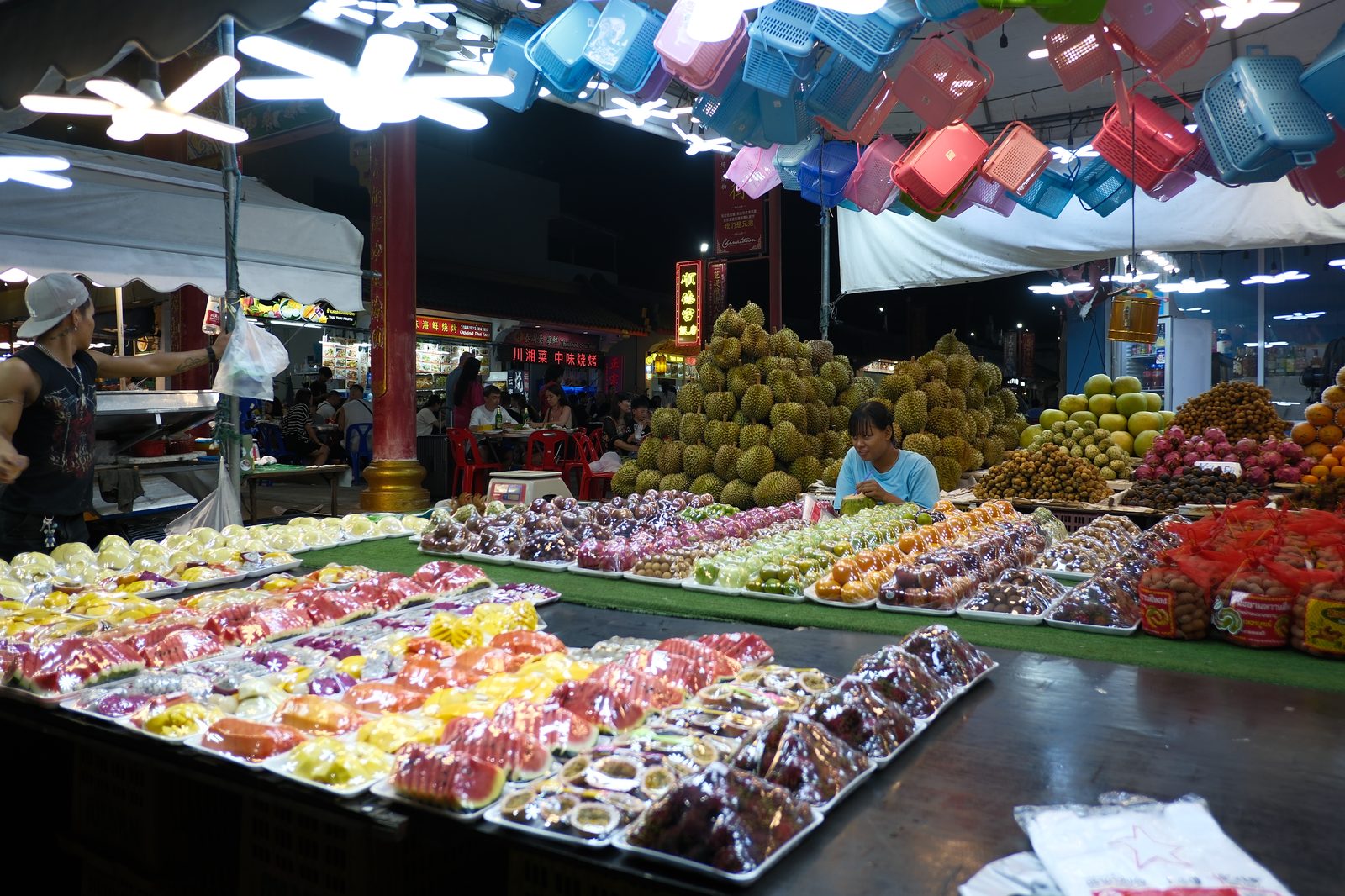
Food is where Guanacaste can be genuinely affordable if you eat like a local. Farmers markets, called ferias, and neighborhood produce stands offer fresh fruit, vegetables, eggs, and fish at low prices. Local staples such as rice, beans, plantains, and chicken are inexpensive.
Costs climb when you fill your cart with imported brands, cheeses, wine, and packaged American products, which carry import duties. Eating out follows the same pattern. A meal at a soda, a small family run restaurant serving the daily casado plate, is cheap and filling, while tourist restaurants in beach towns are priced closer to what you would pay in the US.
Why are utilities sometimes higher than expected?
Electricity is the utility that surprises newcomers. Guanacaste is hot, and running air conditioning around the clock can produce a bill that rivals your grocery spending. Homes designed for the climate, with cross breezes, shade, and ceiling fans, use far less. Water, internet, and phone service are generally reasonable, and mobile data plans are inexpensive.
If you build or renovate, investing in good insulation, orientation, and even solar can meaningfully lower your monthly costs over time.

How much should you budget for healthcare?
Healthcare is one of the biggest savings for expats. Legal residents pay a monthly amount into the public Caja system based on income, which covers doctor visits, hospital care, and medications. Many people supplement with private care, where an office visit or a lab test costs a fraction of US prices, often affordable enough to pay out of pocket. Private insurance is also available. Because rules and rates change, confirm current details with the Caja or a local insurance agent.
Do you need a car in Guanacaste?
This depends on where you live. In walkable beach towns you can manage with taxis, buses, and the occasional rental. In the hills or between towns, a vehicle becomes close to essential. Cars, whether bought new or used, tend to cost more than in the US because of import taxes, and fuel is not cheap. Factor in insurance and maintenance. Some expats decide the freedom is worth it, while others save meaningfully by going car light.
What is a realistic monthly budget?
Rather than a single number, think in tiers. A frugal couple living inland, eating local, and skipping heavy air conditioning can keep monthly costs modest. A couple renting a comfortable home near a popular beach, dining out often, running AC, and keeping a car will spend considerably more, though still typically less than an equivalent lifestyle in the US.
The most reliable way to plan is to visit, track what you actually spend for a month or two, and adjust. Build your budget around your real habits rather than a spreadsheet average.