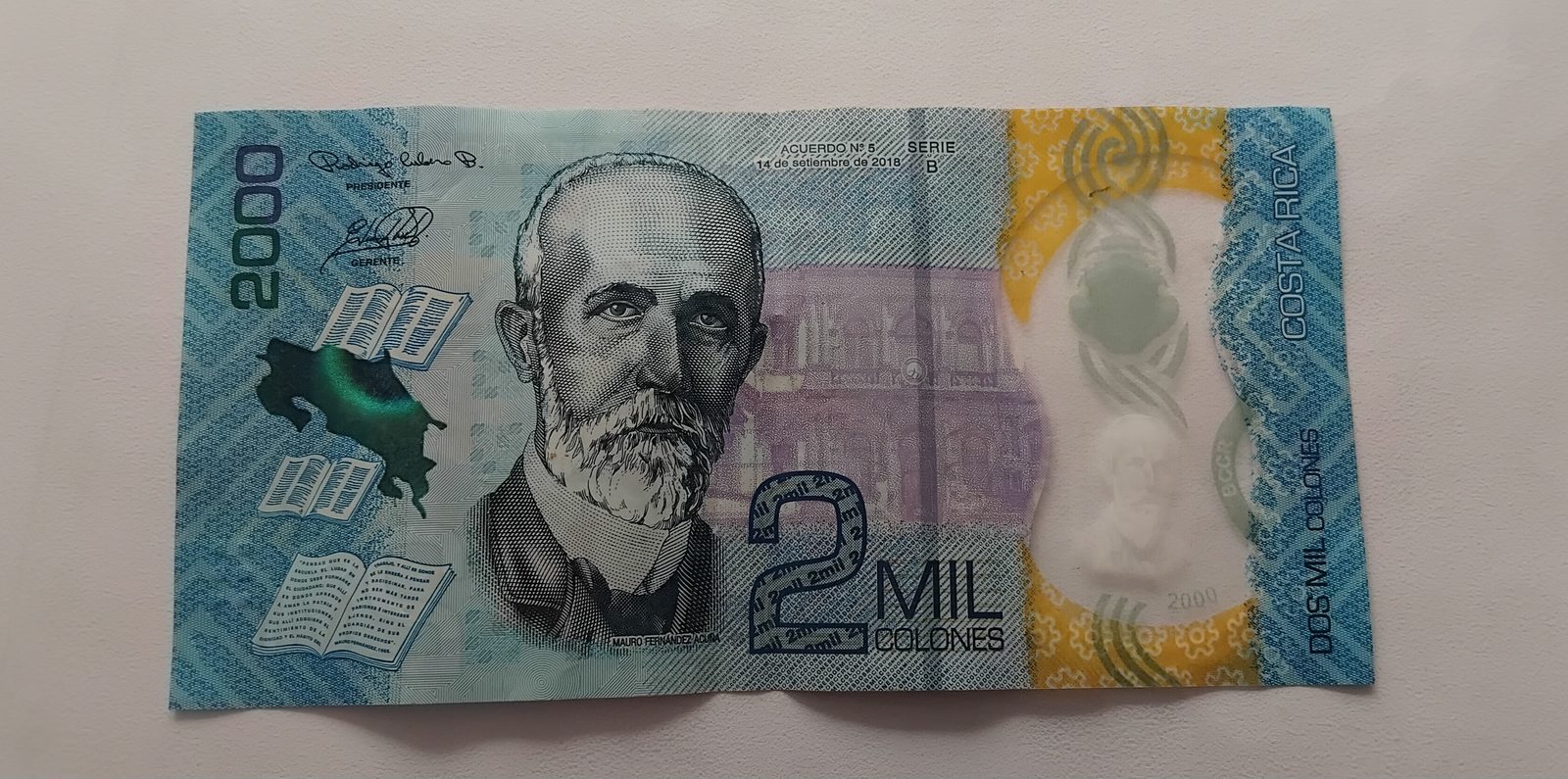
One of the first questions North Americans ask before moving to Guanacaste is simple. Will daily life actually cost less? The honest answer is that some things are much cheaper, a few things are more expensive, and the overall picture usually favors Costa Rica if you live a little more like a local. Here are 15 everyday costs compared.
1. Groceries and fresh produce
Fruits, vegetables, rice, beans, and eggs bought at a local feria (farmers market) or neighborhood store are noticeably cheaper than a US supermarket. Imported and packaged American brands cost more, so the trick is eating what grows here.

2. Dining out
A casado lunch at a local soda is very affordable and filling. Tourist-facing restaurants in Tamarindo or Playas del Coco charge closer to US prices, so where you eat matters more than the country you are in.
3. Healthcare
This is where Costa Rica shines. Both the public Caja system and private clinics cost a fraction of US care, and private doctor visits are often inexpensive out of pocket. Many expats fly here for dental and medical work.
4. Health insurance
Private plans and Caja contributions generally cost less than comparable US premiums. Actual figures depend on your age and residency status, so confirm current rates with a local insurance agent.
5. Property taxes
Annual property tax in Costa Rica is very low compared with most US states. For a new home in a community like Harmony Homes, the yearly bill tends to surprise people in the best way.
6. Utilities: electricity
Electricity is the swing factor in Guanacaste. Run air conditioning around the clock and your bill climbs. Design for cross breezes and shade, use fans, and costs stay reasonable.
7. Water
Residential water is inexpensive across most of the country. Monthly costs for a household are typically a small line item.
8. Internet and cell phone
Home fiber and prepaid mobile plans are competitively priced and often cheaper than US equivalents. Coverage in and around Liberia is solid.
9. Gasoline
Fuel is government regulated and usually runs higher per gallon than the US average. If you plan long drives, budget for it.
10. Buying a car
Vehicles are markedly more expensive due to import duties. A used car here can cost well above what you would pay in the States, so many expats keep one reliable vehicle rather than two.
11. Domestic help and services
Housekeeping, gardening, and general labor are affordable, which is why many retirees enjoy help they would never budget for back home. Always pay fair local wages.
12. Household goods and electronics
Imported electronics, appliances, and brand-name goods carry duties and cost more. Buy locally made furniture and bring smaller electronics with you when you can.
13. Entertainment and fitness
Beaches, hiking near Rincon de la Vieja, and community life are low cost or free. Gyms and yoga studios are reasonably priced, especially outside the top tourist zones.
14. Transportation and travel
Buses are very cheap and reach most towns. Domestic travel is affordable, and living near Liberia airport (LIR) keeps flights home simpler.
15. Housing and building
Rent inland near Curubande is lower than in beach towns. Building new lets you control long-term costs with efficient design. You can explore floor plans and live pricing on our Build Your Home tool.
So does Costa Rica really cost less?
For most expats who shop local and manage air conditioning, yes. Your savings on healthcare, taxes, produce, and services usually outweigh the higher cost of cars, fuel, and imports. The lifestyle you get for the money is the part that keeps people here.