
Costa Rica has drawn North Americans for decades, and for good reason. Before you trade your zip code for a life in the tropics, here are nine things worth knowing so the move feels like a smart decision rather than a leap of faith.
1. Residency Takes Planning, So Start Early
You can visit Costa Rica as a tourist for a limited stay, but living here full time means choosing a residency category. Common paths include options for retirees with steady pension income, applicants with regular investment income, and those making a qualifying investment in the country. Requirements and minimums change over time, so confirm the current rules with a Costa Rican immigration attorney before you commit to a plan.
2. Health Care Is Good, and More Affordable Than You Expect
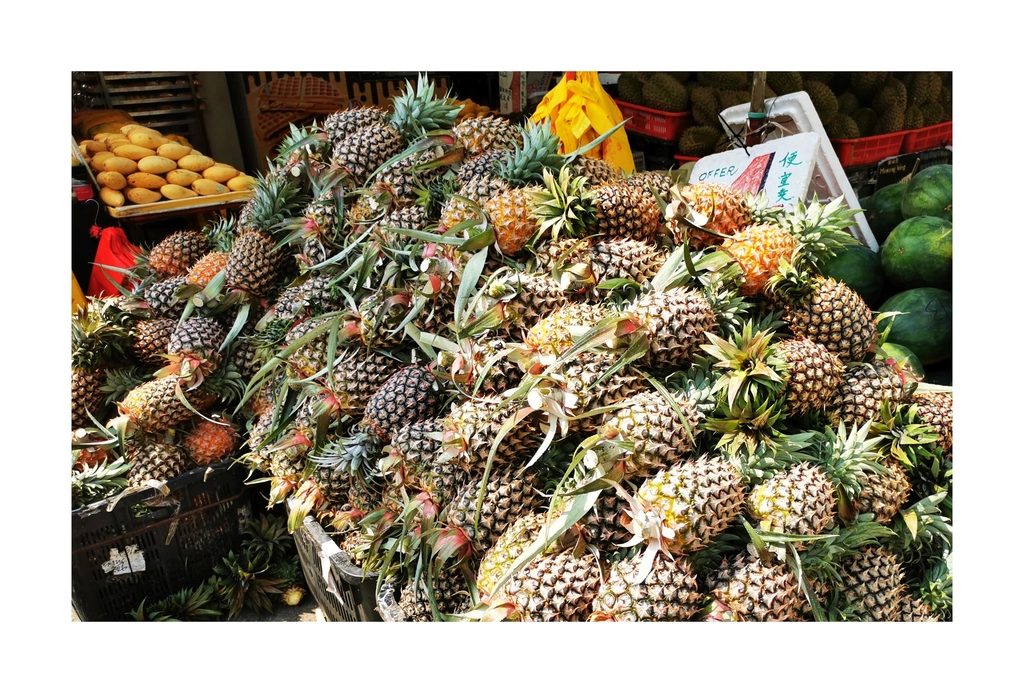
Costa Rica has both a public system, known as the Caja, and a large network of private clinics and hospitals. Legal residents typically enroll in the public system through an income-based monthly contribution, and many expats also carry private coverage for faster access and English-speaking doctors. Routine visits, dental work, and prescriptions often cost a fraction of US prices.
3. Your Cost of Living Depends on How You Live
You will read wildly different budgets online, and most of them are true for someone. Eat local produce, shop at the feria, and drive a modest car, and your money stretches far. Import your old habits and North American brands, and costs climb quickly.
- Rent, a mortgage, or a build
- Groceries, local versus imported
- Electricity and air conditioning
- A vehicle, fuel, and insurance
- Health coverage and the occasional trip home
4. Pura Vida Is a Pace, Not Just a Slogan
Pura vida means pure life, and you will hear it as a greeting, a thank you, and a shrug. It also describes how business gets done, which is to say patiently. Appointments run late, paperwork takes longer than you would like, and hurrying rarely helps. The reward is a calmer daily rhythm that many people move here to find.
5. You Can Own Property Outright as a Foreigner
Costa Rica grants foreigners essentially the same property rights as citizens, and you can hold titled land in your own name. Most buyers work with an escrow company and a real estate attorney who runs the title search and registers the sale. If you are weighing whether to buy an existing home or build new, our Build Your Home tool lets you price a home in Harmony from anywhere.
6. Banking and Moving Money Takes Patience
Opening a local bank account as a new resident can be slow and document heavy, and international transfers face more scrutiny than you may be used to. Keep a US account open, plan for exchange-rate spreads, and expect to prove where your funds come from. Once you are set up, day to day banking and online payments work smoothly.
7. The Rainy Season Is Not the Enemy
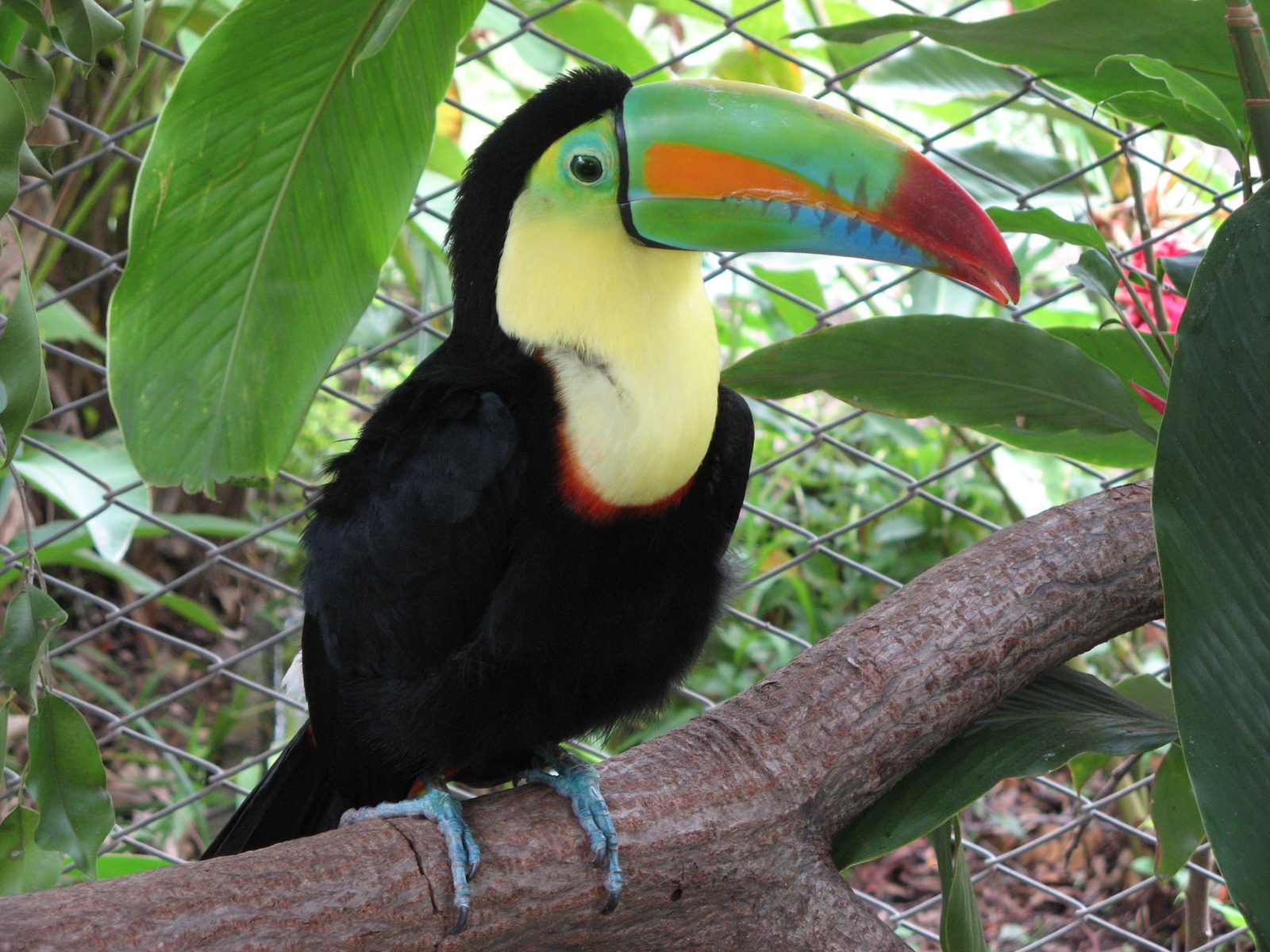
Costa Rica has a dry season and a green, or rainy, season rather than four temperate seasons. In Guanacaste the dry months are reliably sunny, while the green season brings afternoon showers that keep the hills lush. Rain usually arrives on a schedule you can plan around, and mornings often stay bright.
8. A Little Spanish Goes a Long Way
In tourist hubs and expat areas you can get by in English, but you will live better with basic Spanish. Learning greetings, numbers, and everyday phrases earns goodwill and smooths errands, medical visits, and friendships with neighbors. Many newcomers take lessons in their first year and never regret it.
9. Where You Land Matters
Costa Rica is small on a map but varied in feel. The Central Valley around San Jose offers spring-like weather and city amenities, the Caribbean side is lush and laid back, and Guanacaste in the northwest is known for sunshine, beaches, and a strong expat community near Liberia and the coast. Spend real time in a region before you commit, ideally across different seasons. Not sure which fits you? Our lifestyle quiz can point you toward the right corner of the country.
Making the Move With Confidence
Moving to Costa Rica from the US works best when you treat it like a project, not a whim. Line up your residency path, visit more than once, budget for the life you actually plan to live, and lean on local professionals for the legal and financial steps. Do that, and the pura vida life is well within reach.