Moving to Costa Rica is one of the best decisions many expats make, but the first few months come with surprises that no brochure mentions. None are dealbreakers. Knowing them in advance just helps you laugh instead of stress. Here are 11 things that catch new arrivals off guard.
1. Addresses have no street numbers
Directions are given by landmarks. You might be told a house is 200 meters north of an old tree or a well-known store. It feels chaotic at first, then oddly logical once you learn your neighborhood.
2. Pura vida is a pace, not just a phrase
Pura vida means pure life, and it shapes everything. People are relaxed, unhurried, and warm. Appointments and repairs run on their own clock, and fighting it only raises your blood pressure.
3. There are two seasons, not four
In Guanacaste you get a dry season and a green (rainy) season rather than spring, summer, fall, and winter. The green season brings afternoon downpours and lush hills, then clears. It is nothing to fear once you own an umbrella.
4. It gets genuinely hot
Guanacaste is one of the warmest, sunniest regions in the country. Homes designed for shade, breezes, and pools, like those near Curubande, make the heat a pleasure rather than a problem.
5. Banking takes patience
Opening accounts and moving money involve more paperwork and lines than you are used to. Once set up, it works fine, but the initial process rewards a calm, prepared attitude.
6. Bureaucracy moves slowly
Residency, permits, and official errands take time. Locals build this into their day. The upside is that once things are done, they tend to stay done.
7. Driving is an adventure
Expect potholes, river crossings on rural roads, and confident local drivers. A reliable vehicle with good clearance is worth it, and driving to the beach becomes second nature.
8. Wildlife comes to you
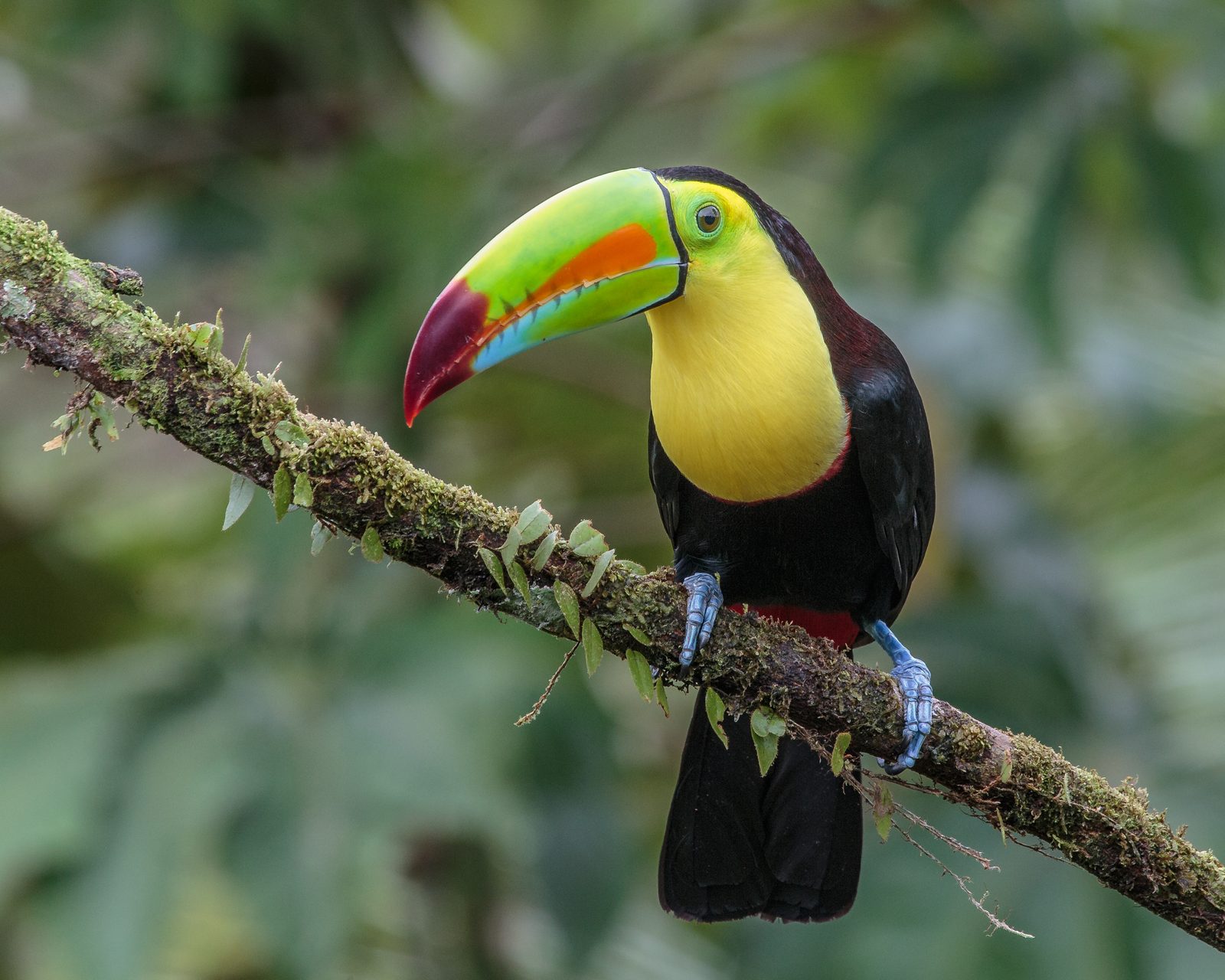
Howler monkeys as an alarm clock, geckos on the wall, and colorful birds at breakfast are normal. Most creatures are harmless and delightful, though you learn to shake out your shoes.
9. Fresh food is a way of life
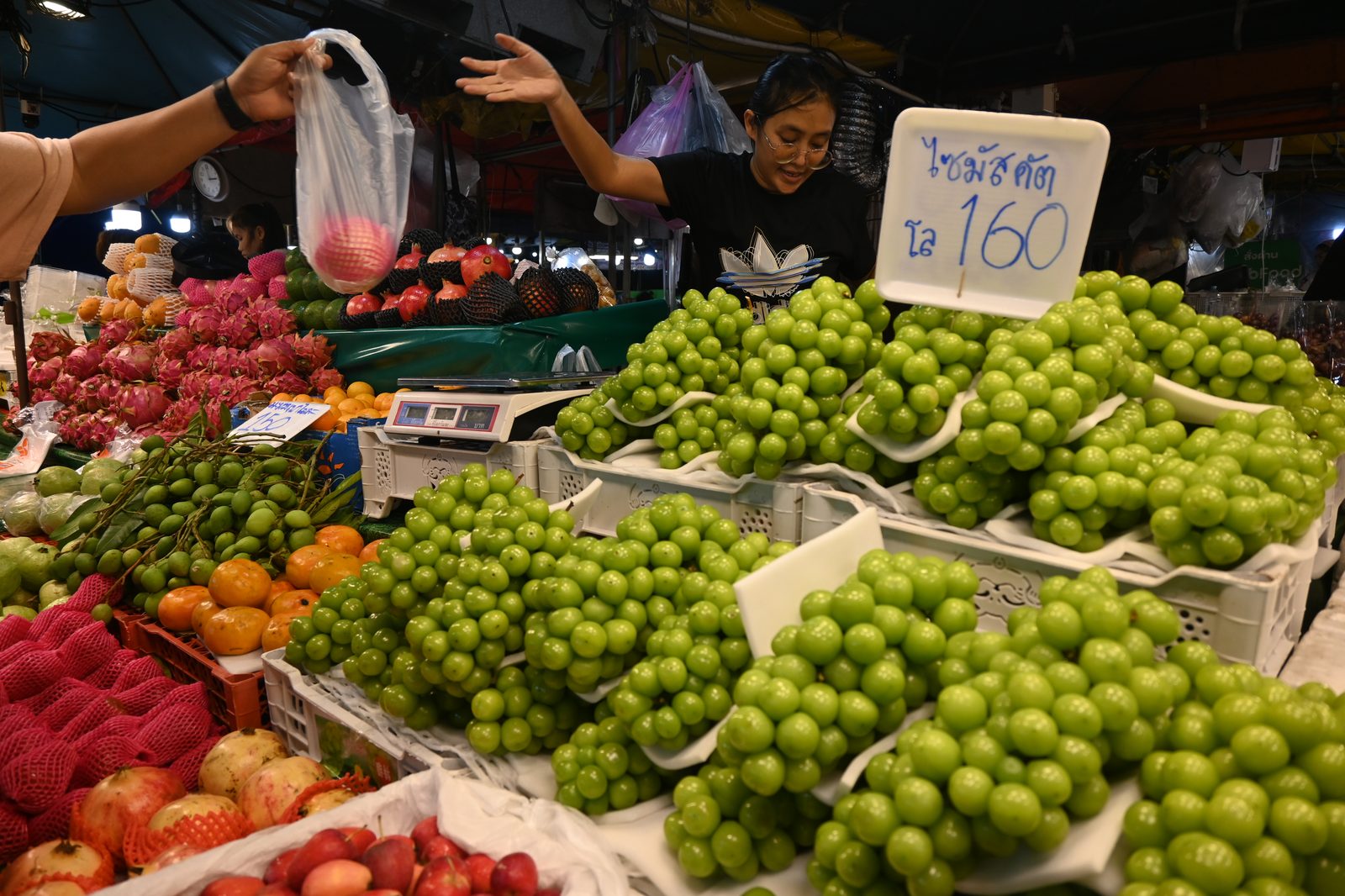
Farmers markets, roadside fruit stands, and seasonal produce replace giant supermarkets for many expats. Eating fresh and local is cheaper and simply tastes better.
10. Healthcare is easier than expected
Between the public Caja and affordable private clinics, quality care is close and inexpensive. Newcomers are often surprised by how personal and accessible doctors are.
11. Community happens fast
Between neighbors, expat groups, and local events, people build a social life quickly. In a gated community, that sense of belonging comes even faster. You can explore that lifestyle through our Build Your Home tool.
How do I settle in without the stress?
Arrive with patience, learn a little Spanish, and lean on your neighbors. Treat the surprises as part of the adventure rather than obstacles. Within a few months the things that felt strange become the things you love most about living here.