
Home / Guides / Lifestyle
Lifestyle

9 Tips for Learning Spanish as an Expat in Costa Rica

Expat Properties | CRUpdated 2026-08-126 min read
DFC 4652 Late-night fruit stand in Pattaya colorful tropical
Daily life in Costa Rica. Photo: PattayaPatrol · CC BY-SA 4.0 · source

The short version

The fastest way to succeed at learning Spanish in Costa Rica is to combine structured classes with daily real-world practice: talk to neighbors, run errands in Spanish, and study a little every day. You do not need fluency to start living well, but consistent effort turns errands into friendships. Immersion in a Costa Rican community accelerates everything.

Learning Spanish is the single biggest thing you can do to enjoy expat life in Costa Rica. You do not need to be fluent to move here, but every word you learn opens a door to friendships, better deals, and smoother errands. Here are nine practical tips that work for adult learners.

1. Study a little every day

Consistency beats intensity. Fifteen to thirty focused minutes daily will take you further than a marathon session once a week. Small, steady habits are how adults actually learn a language.
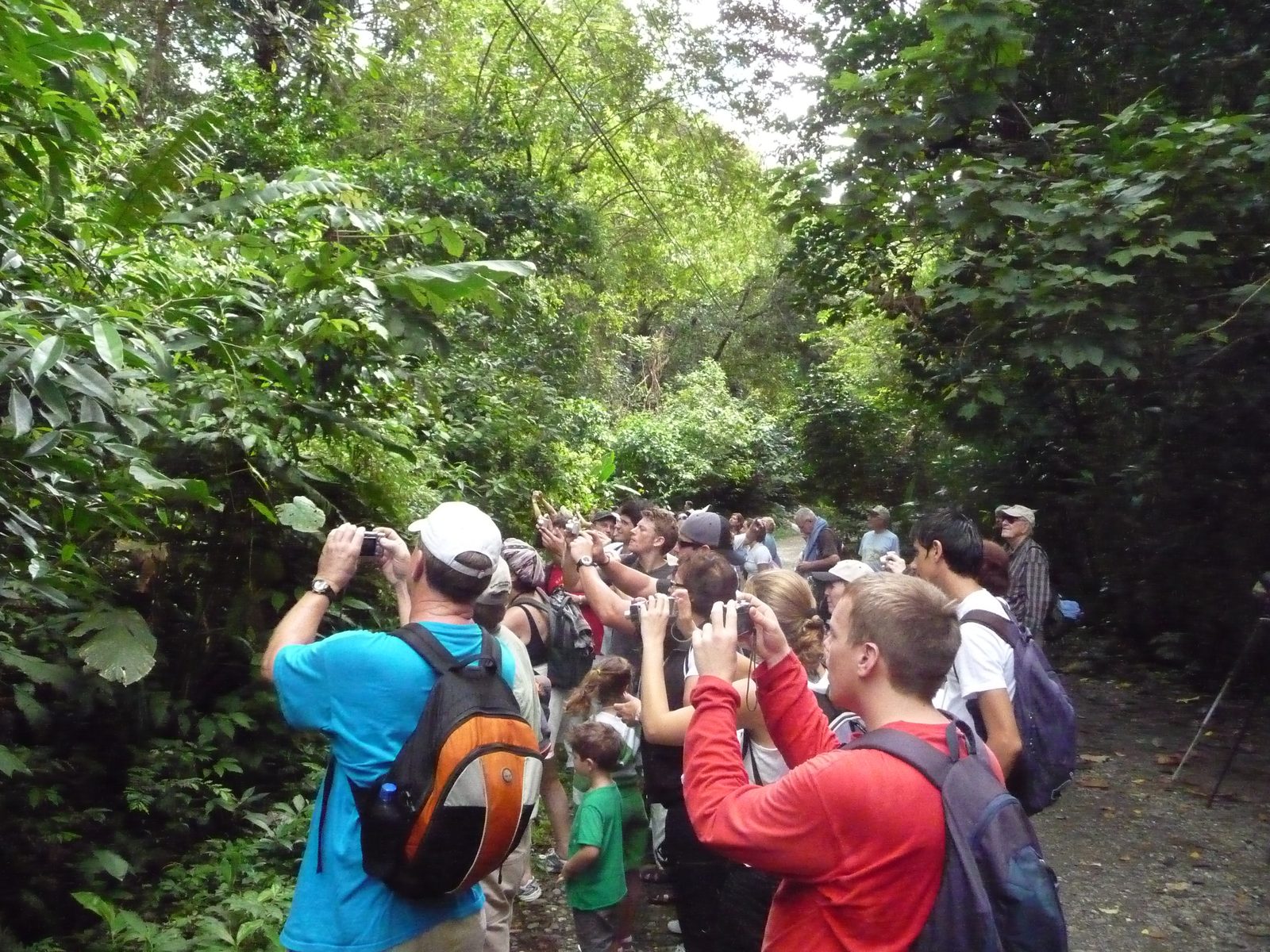
Rincon de la Vieja National Park
Costa Rica's wild green interior. Photo: Patrick Nouhailler · CC BY-SA 2.0 · source

2. Take local, in-person classes

Guanacaste has language schools and private tutors used to teaching expats. In-person classes give you accountability, correction, and a built-in community of fellow learners at your level.

3. Practice with your neighbors

Your best teachers are the people around you. Greet neighbors, chat with the soda owner, and ask questions. Costa Ricans are patient and encouraging with anyone making an honest effort.

4. Turn errands into lessons

Order coffee, buy produce, and ask for directions in Spanish even when you could use English. Real-life repetition sticks far better than flashcards alone.

5. Learn Costa Rican expressions

Local flavor matters. Master pura vida for hello, goodbye, and all is well, and mae for buddy. These tiquismos instantly make you sound less like a textbook and more like a local.

6. Use apps to build vocabulary

Language apps are great for daily drilling of words and phrases during downtime. Use them as a supplement to real conversation, not a replacement for it.
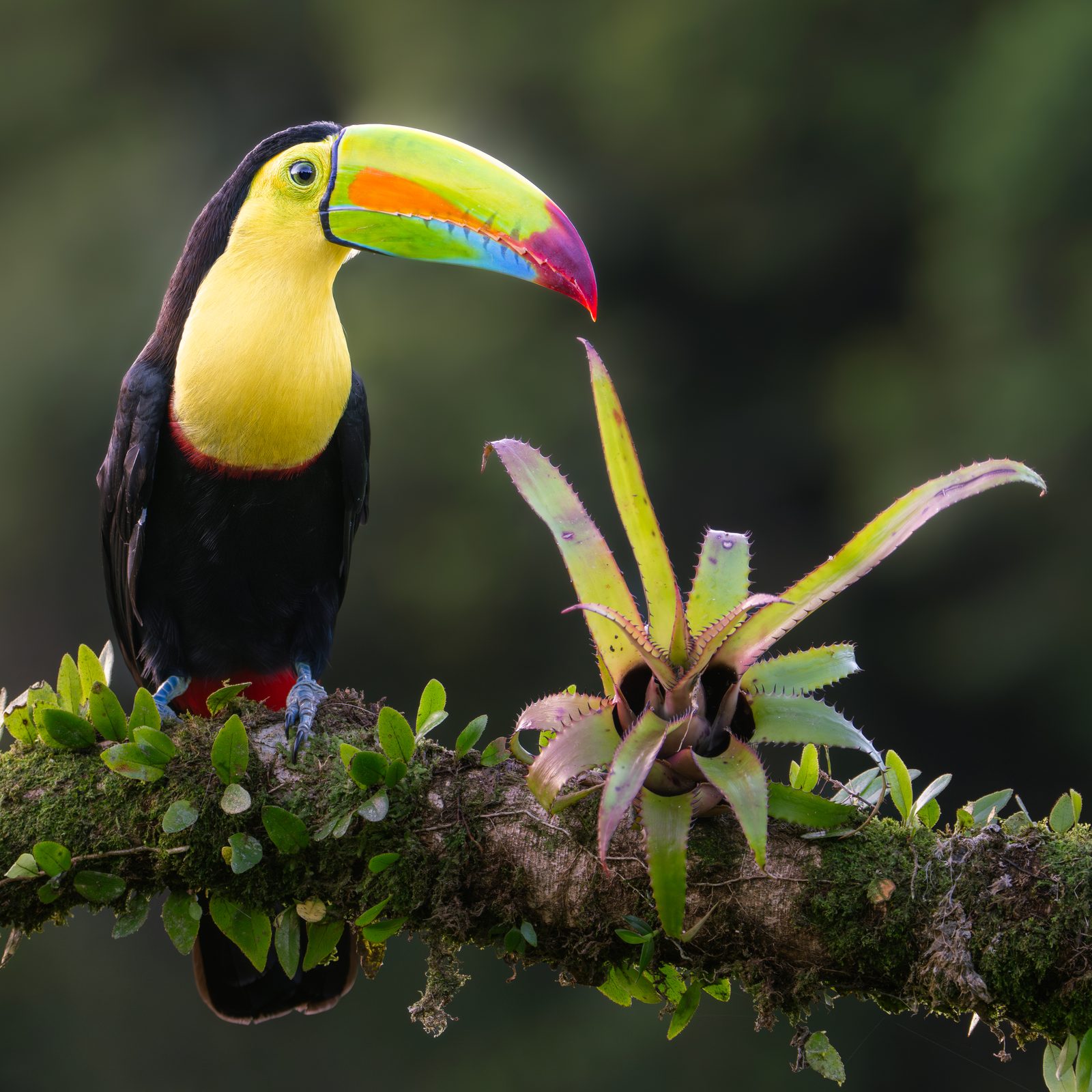
Keel-billed toucan in Costa Rica
Costa Rica's abundant wildlife. Photo: Chris Down · CC BY 4.0 · source

7. Change your phone and shows to Spanish

Switch your phone language and watch familiar movies with Spanish audio or subtitles. Passive exposure trains your ear to the rhythm and speed of real speech.

8. Do not fear mistakes

You will mix up words and that is exactly how you improve. Locals appreciate the effort far more than they notice the errors. Aim for progress, not perfection.

9. Immerse through community life

Join local events, markets, and neighborhood gatherings. Living in a Costa Rican community, rather than an all-English bubble, surrounds you with practice. You can explore that lifestyle through our Build Your Home tool.

How long until I can actually converse?

With daily study and real conversation, many adults hold basic everyday exchanges within a few months and grow comfortable over a year. The exact pace depends on effort and immersion, but the more you use it in real life, the faster it clicks.

Key takeaways

Picture your own home in Guanacaste

See lots, home designs, and live pricing for a home in the hills above Liberia, and take our 90-second quiz to find your ideal build.

Explore the homes: Garden studio (20 m2) · Two-bedroom (66 m2) · Three-bedroom Narime (121 m2)

Frequently asked questions

Do I need to speak Spanish before moving to Costa Rica?

No. Many expats arrive with little or no Spanish and learn after they settle. English works in tourist areas, but starting to learn before and continuing after your move makes daily life much easier.

What is the best way to learn Spanish as an adult in Costa Rica?

Combine structured classes or a tutor with daily real-world practice. Study a little every day, use Spanish for errands, and talk with neighbors. This blend of instruction and immersion is what works best for adults.

How long does it take to become conversational?

With consistent daily practice and immersion, many adults reach basic conversational ability within a few months and become comfortable over a year or more. Your pace depends on effort and how much you speak in real situations.

Are there Spanish schools near Liberia and Guanacaste?

Yes. Guanacaste has language schools and private tutors experienced with expat learners, and many offer flexible schedules. In-person classes add accountability and a community of fellow students.

What Costa Rican slang should I learn first?

Start with pura vida, which covers hello, goodbye, and all is well, and mae, an informal word for buddy. These local expressions, called tiquismos, help you connect quickly and sound natural.

Written by the team at Expat Properties | CR, builders and agents for the Harmony community in Guanacaste, Costa Rica. Get in touch.

Keep reading