Safety is usually the first question North Americans ask before moving to Costa Rica, and it deserves an honest answer rather than a sales pitch. We build homes in Guanacaste and live here, so here is a straight look at what is safe, what to watch, and how everyday life actually feels for expats in this part of the country.
Is Costa Rica safe for North American expats?
Yes, for the most part. Costa Rica is widely regarded as one of the safest and most stable countries in Central America. It has a long, uninterrupted democracy, abolished its army decades ago, and has a large, established community of North American and European expats and retirees. Most people who move here find daily life calm and friendly, and tens of thousands of Americans and Canadians live in the country full time.
That does not mean it is risk-free. Like anywhere, Costa Rica has crime and natural hazards. The key is understanding which risks are real for expats and which are overblown.
What kind of crime should you actually worry about?
The most common problem expats and tourists face is petty theft: break-ins to unoccupied homes and cars, bag snatching, and opportunistic grabs of phones or laptops left unattended. This is the risk to plan around, not dramatic violent crime.
Violent crime does exist, but it is largely concentrated in specific neighborhoods of larger cities and tied to activity that has nothing to do with expat life. The beach and inland communities in Guanacaste where most North Americans settle are generally quiet. Sensible habits go a long way:
- Do not leave valuables visible in a parked car
- Use a home with good locks, and consider a safe or basic alarm
- Keep an eye on phones and bags in busy tourist spots
- Be extra cautious withdrawing cash from ATMs at night
Are the natural risks a bigger deal than crime?
Often, yes. The hazards that most affect expats day to day are practical ones. Driving is the big one: roads can be narrow, unlit, and shared with motorbikes, pedestrians, and animals, so many residents avoid driving after dark. Rainy-season storms can flood roads and rivers quickly.
At the coast, rip currents are a genuine danger on some beaches, and not every beach has lifeguards. Learn which local beaches are safe for swimming and respect the surf. Costa Rica also sits in an active seismic and volcanic zone, so earthquakes happen, though modern homes are built to handle them.
What is health care and emergency response like?
Costa Rica has a well-regarded health system with both public (Caja) and private options. Private hospitals and clinics offer good care at prices far below the U.S., and Guanacaste has private facilities plus a major public hospital in Liberia. Many expats carry private insurance or join the public system once they hold residency.
Response times in rural areas can be slower than what you are used to, which is another reason many expats choose to live within a reasonable drive of Liberia and its hospital and international airport.
How safe does Guanacaste feel compared with the rest of the country?
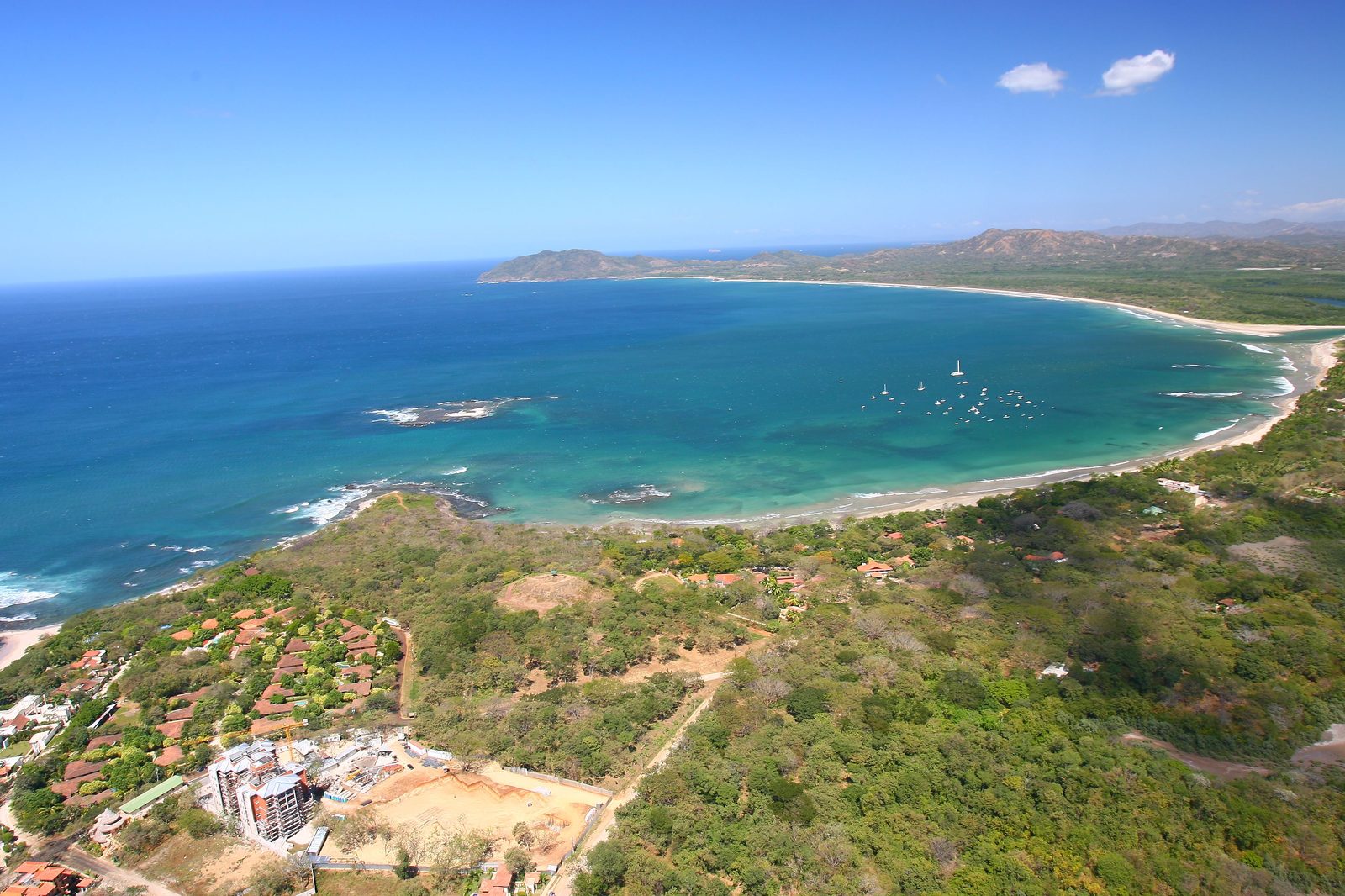
Guanacaste, the northwest Pacific province, is one of the parts of Costa Rica most set up for expat life, and it tends to feel relaxed and secure. Towns like Playas del Coco, Playa Hermosa, and Tamarindo have long-standing foreign communities, and inland areas near Liberia and the hills of Curubande are quiet and residential.
Gated communities are popular here precisely because they add a layer of everyday security and neighborly familiarity, which many buyers value when they are new to the country. If you want to see how a planned community in the hills above Liberia is laid out, you can explore home designs and lots or take our quick quiz.
How can you stay safe as a new expat?
Most safety in Costa Rica comes down to the same common sense you would use anywhere, plus a little local knowledge:
- Choose your area carefully and talk to residents before you buy or rent
- Secure your home and do not advertise expensive belongings
- Drive defensively and avoid unfamiliar rural roads at night
- Learn the safe swimming beaches and heed rip-current warnings
- Build local relationships, since neighbors are your best security
None of this is unique to Costa Rica. Move with awareness, settle into a solid community, and most expats find they feel safer here than they expected.